
Solar Panels for Agriculture
Reliable Solar Panels for Agricultural Buildings Manufacturer
Farming Meets the Sun: A New Era for Agriculture
Farming is not a profession in Gujarat, but a lifestyle. Agriculture drives the economy of Ahmedabad, with cotton and groundnut fields around Dholka, vegetable farms around Bavla, and dairy centers around Kheda. However, farmers in the modern world have to struggle against an endless fight: high power bills, unreliable supply of the grid, and the escalating costs of diesel.
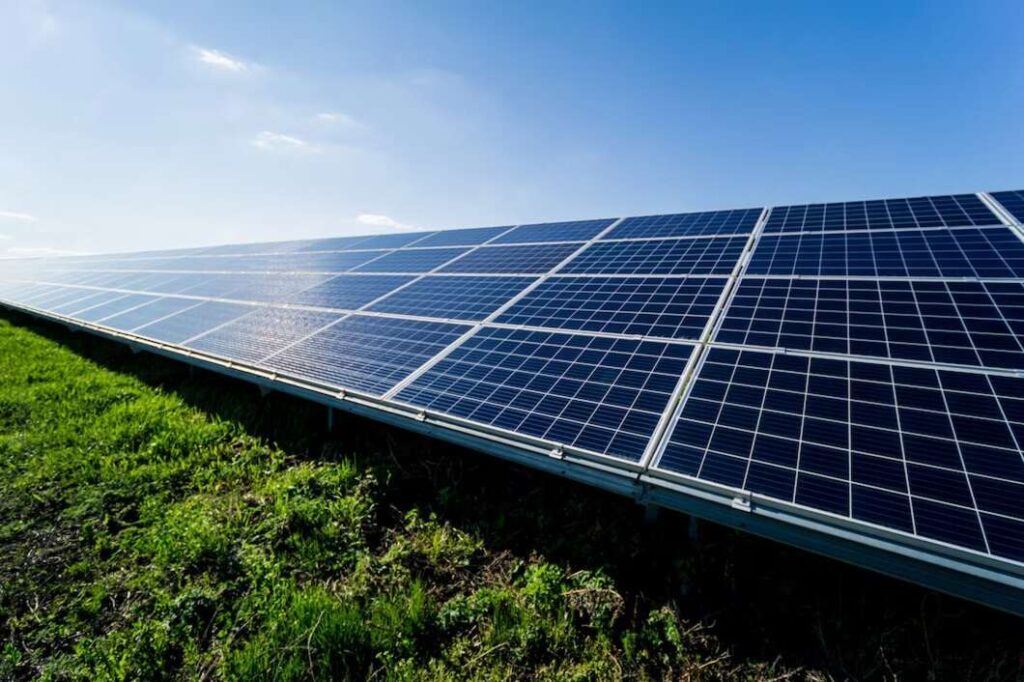
Agriculture runs on energy. Power is required at all times in water pumps, cold storage, greenhouse fans, poultry sheds, dairy processing machines, and milling units. However, grid power tends to be rather costly and scarce, whereas diesel generators consume profits and contaminate the area.
That is why the trend of using solar panels for agricultural buildings in Ahmedabad. Solar is a stable and affordable source of energy, as well as environmentally friendly. Through the sun, farms can reduce their expenses, enhance their output, and become energy self-sufficient in the long term.
Why Solar Power a Game-Changer for Agriculture
Lower Irrigation Costs
The conventional irrigation methods are grid-powered or diesel-powered, and these are both very expensive and unreliable. Solar-powered pump system will help farmers to obtain water when it is needed without burning a hole in their pockets. Diesel cost per acre irrigation: ₹300–₹500 Solar cost per acre irrigation: Zero (after payback) For a farm running irrigation 6–8 hours daily, solar can save ₹1–1.5 lakh annually.
24/7 Energy for Agricultural Buildings
Cold storage, dairy farms, and poultry sheds can only be served with uninterrupted electricity. Solar power generators in Ahmedabad enable farmers to run their freezers, lights, and fans twenty-four hours a day, even in those places where the grid supply is weak.
Faster ROI, Longer Lifespan
Solar is not a cost, and it is an investment. An average solar farm solar system recovers its investment within 3-4 years, with panels having a lifespan of 25 years or above. It implies almost 20 years of free power for farm activity.
Sustainable Farming Practices
Climate change is a threat to agriculture. Farmers minimize greenhouse gas emissions, save resources, and encourage green food production through the use of renewable energy.

Government Subsidies and Schemes
The central and state governments actively support farmers adopting solar:
- KUSUM Yojana – Subsidies for solar-powered water pumps.
- Net Metering Advantages -Receive credits for additional power delivered back to the grid.
- Capital Subsidies in Gujarat -Minimize initial investment.
- Tax Benefits -Agro-industrial accelerated depreciation.
Applications of Solar Panels in Agriculture
Solar for Irrigation Pumps
Solar-driven water pumps liberate farmers from fluctuating water supplies. It is up to the farmers to irrigate when it is needed by the crops and not when the grid permits it.
DC Solar Pumps for smaller farms
AC Solar Pumps for medium to large-scale irrigation
Solar for Cold Storage Units
Lack of cold storage is one of the main causes of these fruits and vegetables going to waste in India, which is almost 30 percent of the total. Cold storage powered by the sun will help farmers store their products longer, have higher prices in the market, and reduce losses.
Solar for Dairy Farms
Dairy activities involve the use of milking machines, chilling units, and lights, which are high electricity consumers. Solar saves on expenses, and it remains operational even in rural areas where outages are frequent.
Solar for Poultry & Fisheries
In poultry and fish farms, lighting, heating, and ventilation are necessary for the health of animals. Solar guarantees 24/7 low-cost energy.
Solar for Greenhouses
Greenhouses require a system of ventilation and cooling. Solar will render them self-sustaining, making their crops healthier throughout the year.
Solar for Agro-Processing Units
The heavy electricity-consuming mills, oil expellers, grinders, and food-processing plants. These expenses are compensated by a solar power generator, and it makes operations more lucrative.
Case Studies: Solar Success in Agriculture
Case 1: Cotton Farm near Dholka
- System Size: 15 kW solar irrigation system
- Savings: ₹15,000/month compared to diesel pumps
- Payback: 3.8 years
- Impact: Increased cropping cycles with reliable irrigation
Case 2: Dairy Farm near Bavla
- System Size: 30 kW rooftop solar
- Savings: ₹25,000/month on chilling and lighting
- Impact: Consistent operations, improved milk preservation
Case 3: Cold Storage Unit near Naroda
- System Size: 100 kW solar rooftop
- Savings: ₹1 lakh/month in power bills
- Impact: Reduced post-harvest losses by 20%
The Future of Farming is Solar-Powered
Farmers in Ahmedabad are already setting the pace in taking up renewable energy. Agriculture is becoming more lucrative, more sustainable, and more dependable with solar panels to cover agricultural buildings and solar power generators.